
Fox
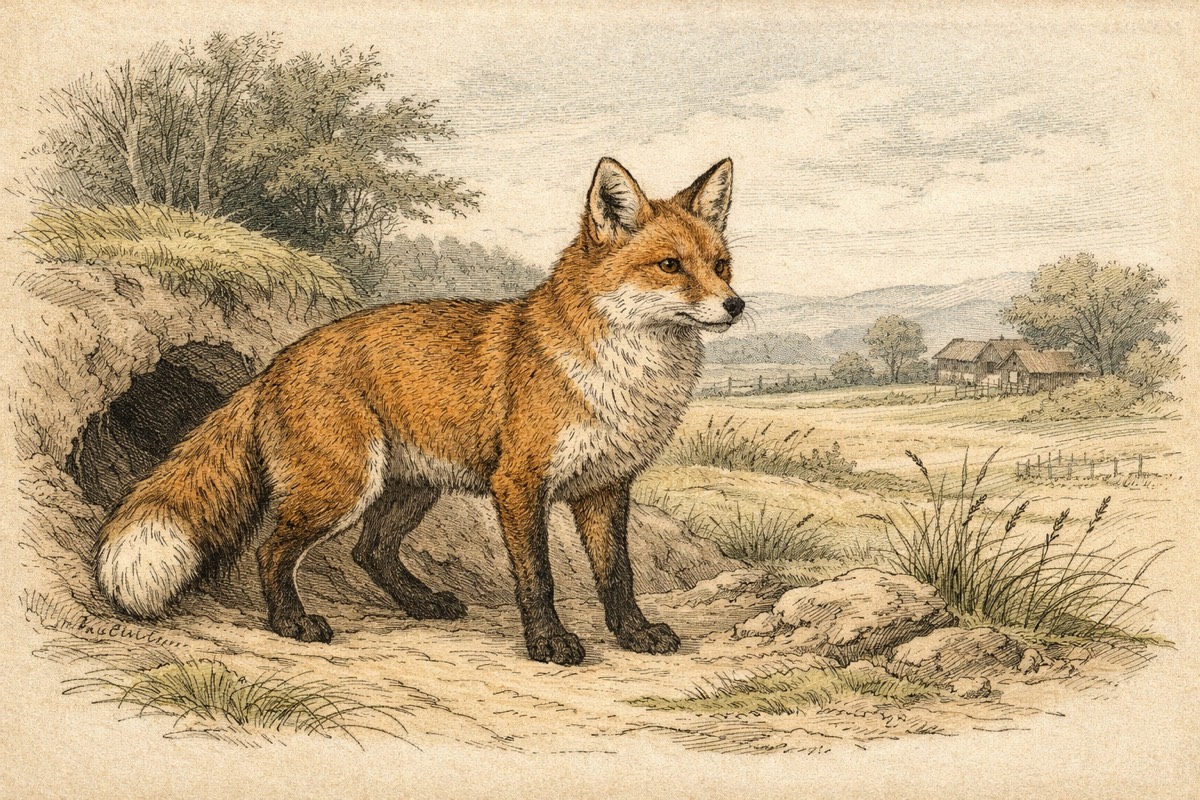
Foxes are adaptable canids with sharp senses, clever hunting behavior, and a remarkable ability to live near people.
Foxes live in forests, grasslands, farmland, deserts, and even cities. Foxes occur across much of the Northern Hemisphere and in parts of other continents depending on species. Adaptability is one of the fox's greatest strengths because diet and habitat use are flexible. Foxes help control rodents and other small animals while also moving seeds from fruit they eat.
Many foxes live alone or in small family groups rather than large packs. They are often crepuscular or nocturnal. Road mortality, habitat change, disease, and persecution affect many fox populations.
Quick Facts
| Scientific name | Vulpes and related genera |
|---|---|
| Animal type | Mammal |
| Diet | Omnivore |
| Habitat | Forests, grasslands, farmland, deserts, and even cities |
| Lifespan | Often 2 to 5 years in the wild |
| Weight | Usually 2 to 14 kg depending on species |
| Length or height | About 45 to 90 cm long, plus the tail |
| Top speed | Up to 50 km/h |
| Conservation status | Usually Least Concern, depending on species |
Field Notes
60 notes and observations for quick reference.
- Scientifically, foxes are placed under Vulpes and related genera.
- They belong to the mammal group.
- Their diet can be described as omnivore.
- They are most closely associated with forests, grasslands, farmland, deserts, and even cities.
- Life span is often 2 to 5 years in the wild.
- Adults commonly weigh usually 2 to 14 kg depending on species.
- Typical size is about 45 to 90 cm long, plus the tail.
- Top speed can reach up to 50 km/h.
- Their conservation status is currently listed as usually least concern, depending on species.
- Foxes occur across much of the Northern Hemisphere and in parts of other continents depending on species.
- Many foxes live alone or in small family groups rather than large packs.
- They are often crepuscular or nocturnal.
- A group of foxes is sometimes called a skulk or leash.
- Young foxes are called kits or cubs.
- Foxes usually raise one litter per year in a den.
- They rely on agile running, pouncing, and quick directional changes.
- Foxes use flexible hunting and scavenging strategies depending on season and habitat.
- Small mammals, birds, insects, fruit, and carrion are common food sources.
- Their hearing is especially sharp and helps detect movement under grass or snow.
- Foxes communicate with barks, screams, scent marks, and body posture.
- Speed, caution, camouflage, and den use help foxes avoid danger.
- Adaptability is one of the fox's greatest strengths because diet and habitat use are flexible.
- Foxes depend on habitat quality, food supply, and safe breeding conditions to keep populations stable.
- Climate, food supply, and safe habitat all shape how successfully foxes can survive and reproduce.
- Foxes help control rodents and other small animals while also moving seeds from fruit they eat.
- Road mortality, habitat change, disease, and persecution affect many fox populations.
- Different fox species live in climates ranging from deserts to arctic regions.
- Foxes usually have pointed ears, narrow muzzles, and bushy tails.
- The tail helps with balance and can also wrap around the body for warmth.
- Arctic foxes change coat color seasonally, but many other species do not.
- Their lightweight build helps them stay agile in dense cover.
- Large ears can improve heat loss in hot-climate species such as fennec foxes.
- Foxes often choose den sites in banks, burrows, or sheltered ground.
- They can thrive at habitat edges where open feeding areas meet cover.
- Urban foxes use parks, gardens, and green corridors to move through cities.
- Seasonal food availability strongly influences how far foxes travel.
- Foxes often pause and listen carefully before pouncing on hidden prey.
- They cache extra food when conditions are good.
- A den can be reused across breeding seasons if it remains safe.
- Parents may bring many small food items back to growing kits.
- Foxes are cautious animals and often rely on cover before approaching uncertain situations.
- Rodents are especially important prey for many fox species.
- Fruit becomes more important at certain times of year.
- Foxes may hunt alone because small prey does not require group cooperation.
- Scavenging allows foxes to survive when live prey is scarce.
- Kits are born helpless and depend on the den for early protection.
- Young foxes learn by wrestling, chasing, and practicing short hunts.
- Dispersal helps reduce competition between closely related adults.
- High juvenile mortality means many fox populations depend on regular breeding success.
- Generalist species often cope better with human-altered landscapes than specialists do.
- Vaccination campaigns have helped control rabies in some fox populations.
- Road crossings and habitat connectivity can improve survival near cities.
- Although many foxes are common, some island or habitat-specialist species are highly vulnerable.
- The classic fox pounce is guided by hearing as much as sight.
- Fox calls can sound surprisingly varied, from sharp barks to eerie screams.
- Different fox species have evolved for very different climates and prey types.
- Many people never notice urban foxes because they move quietly at night.
- A fox's pupils can help it see well in low light.
- Food caching means a fox may hide more meals than it eats immediately.
- Foxes are often seen as symbols of cleverness because their behavior looks strategic and alert.
Habitat and Range
Foxes are linked to forests, grasslands, farmland, deserts, and even cities. Foxes occur across much of the Northern Hemisphere and in parts of other continents depending on species. Foxes often choose den sites in banks, burrows, or sheltered ground. They can thrive at habitat edges where open feeding areas meet cover.
Behavior and Lifestyle
Many foxes live alone or in small family groups rather than large packs. They are often crepuscular or nocturnal. Foxes often pause and listen carefully before pouncing on hidden prey. They cache extra food when conditions are good.
Diet and Feeding
Their diet is omnivore. Foxes use flexible hunting and scavenging strategies depending on season and habitat. Small mammals, birds, insects, fruit, and carrion are common food sources. Rodents are especially important prey for many fox species.
Conservation and Adaptations
Adaptability is one of the fox's greatest strengths because diet and habitat use are flexible. Road mortality, habitat change, disease, and persecution affect many fox populations. Generalist species often cope better with human-altered landscapes than specialists do. Foxes help control rodents and other small animals while also moving seeds from fruit they eat.