
Owl
Owls are nocturnal birds of prey specialized for silent flight, precise hearing, and low-light hunting.
Owls live in forests, grasslands, deserts, wetlands, and farmland. Owls live across most of the world except Antarctica and some remote islands. Silent flight gives owls a major advantage when hunting at night. Owls help control rodent and small animal populations.
Most owls are solitary outside of breeding and parental care. Many owls are nocturnal, though some hunt at dusk, dawn, or even in daylight. Habitat loss, rodent poison, traffic, and nest disturbance threaten some owl species.
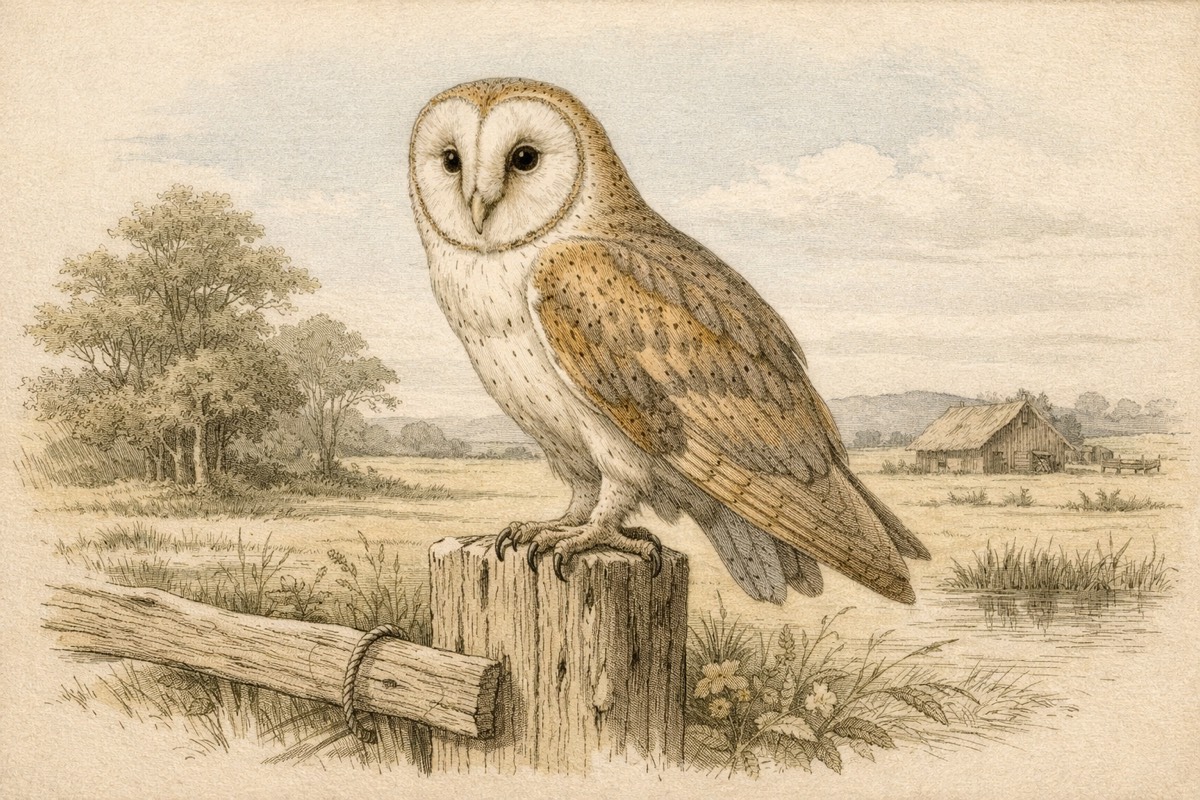
Quick Facts
| Scientific name | Order Strigiformes |
|---|---|
| Animal type | Bird |
| Diet | Carnivore |
| Habitat | Forests, grasslands, deserts, wetlands, and farmland |
| Lifespan | Often 5 to 20 years depending on species |
| Weight | About 40 g to more than 4 kg depending on species |
| Length or height | Varies widely from small owls to large eagle-owls |
| Top speed | Fast and maneuverable in short flight |
| Conservation status | Varies by species |
Field Notes
60 notes and observations for quick reference.
- Scientifically, owls are placed under Order Strigiformes.
- They belong to the bird group.
- Their diet can be described as carnivore.
- They are most closely associated with forests, grasslands, deserts, wetlands, and farmland.
- Life span is often 5 to 20 years depending on species.
- Adults commonly weigh about 40 g to more than 4 kg depending on species.
- Body size varies widely from small owls to large eagle-owls.
- Movement is usually fast and maneuverable in short flight.
- Their conservation status is currently listed as varies by species.
- Owls live across most of the world except Antarctica and some remote islands.
- Most owls are solitary outside of breeding and parental care.
- Many owls are nocturnal, though some hunt at dusk, dawn, or even in daylight.
- A group of owls is sometimes called a parliament.
- Young owls are called owlets or chicks.
- Owls usually nest in cavities, old nests, ledges, or ground sites depending on species.
- Broad wings and soft feathers allow quiet, controlled flight.
- Owls hunt by listening carefully and striking with sudden precision.
- Rodents, insects, birds, reptiles, and small mammals are common prey.
- Hearing and low-light vision are especially important for owls.
- Calls, hoots, screeches, posture, and display behavior are used in communication.
- Camouflage, stillness, talons, and concealed roosts help protect owls.
- Silent flight gives owls a major advantage when hunting at night.
- Owls depend on habitat quality, food supply, and safe breeding conditions to keep populations stable.
- Climate, food supply, and safe habitat all shape how successfully owls can survive and reproduce.
- Owls help control rodent and small animal populations.
- Habitat loss, rodent poison, traffic, and nest disturbance threaten some owl species.
- Different owl species live in cold forests, dry deserts, wetlands, and tropical habitats.
- Forward-facing eyes improve depth perception.
- Owls cannot rotate the eyes much, so the neck is highly flexible.
- Facial discs help funnel sound toward the ears.
- Feather edges are structured to reduce flight noise.
- Powerful feet and talons help seize prey quickly.
- Roosting cover is important because many owls remain hidden by day.
- Barn owls often use open farmland where rodents are common.
- Forest owls depend on trees, cavities, and layered vegetation.
- Wetland edges can support owl species that hunt amphibians or small birds.
- Owls often hunt from perches where they can listen before launching.
- Stillness is one of their best hunting tools.
- Many species defend nesting territory with repeated calling.
- Parents deliver food directly to growing owlets at the nest.
- Some owls bob or sway while assessing distance and background.
- Small mammals are especially important prey for many species.
- Owls often swallow small prey whole.
- Indigestible parts such as fur and bones are later regurgitated as pellets.
- Diet studies often use owl pellets to understand local food webs.
- Chicks hatch helpless and are brooded closely in the early stage.
- Nestling periods vary with size and species.
- Young owls must practice silent flight and prey handling after leaving the nest.
- Survival often depends on prey abundance during the breeding season.
- Nest boxes can help some owl species where natural cavities are limited.
- Limiting rodent poisons protects owls from secondary poisoning.
- Retaining old trees and rough grassland helps support prey and nest sites.
- Owls can be useful indicators of landscape health because they depend on intact prey communities.
- An owl may hear prey moving under snow or leaf litter.
- Pellets reveal what an owl has eaten without needing to watch a hunt directly.
- Different owl species have very different calls, from soft hoots to harsh screeches.
- Some owls have ear openings at slightly different heights, improving sound location.
- Nocturnal hunting means many people hear owls more often than they see them.
- Owls combine patience, stealth, and accuracy in a highly specialized hunting style.
- Silent flight is one of the clearest examples of a predator adapted to darkness.
Habitat and Range
Owls are linked to forests, grasslands, deserts, wetlands, and farmland. Owls live across most of the world except Antarctica and some remote islands. Roosting cover is important because many owls remain hidden by day. Barn owls often use open farmland where rodents are common.
Behavior and Lifestyle
Most owls are solitary outside of breeding and parental care. Many owls are nocturnal, though some hunt at dusk, dawn, or even in daylight. Owls often hunt from perches where they can listen before launching. Stillness is one of their best hunting tools.
Diet and Feeding
Their diet is carnivore. Owls hunt by listening carefully and striking with sudden precision. Rodents, insects, birds, reptiles, and small mammals are common prey. Small mammals are especially important prey for many species.
Conservation and Adaptations
Silent flight gives owls a major advantage when hunting at night. Habitat loss, rodent poison, traffic, and nest disturbance threaten some owl species. Nest boxes can help some owl species where natural cavities are limited. Owls help control rodent and small animal populations.